Yamaha golf carts are used in golf, leisure and selected property-transport settings. A suitable model should match the terrain, number of passengers, expected daily distance and available service support. This guide explains how to compare Yamaha golf carts, understand powertrain choices, plan routine maintenance and assess safety before purchasing.
What to Know About Yamaha Golf Carts
Yamaha has produced golf and utility vehicles in configurations that vary by model, model year and market. Equipment, seating, power system and specifications are not identical across the range. Buyers should use the exact model information, serial or identification details where relevant, and the current seller listing to verify what is included.
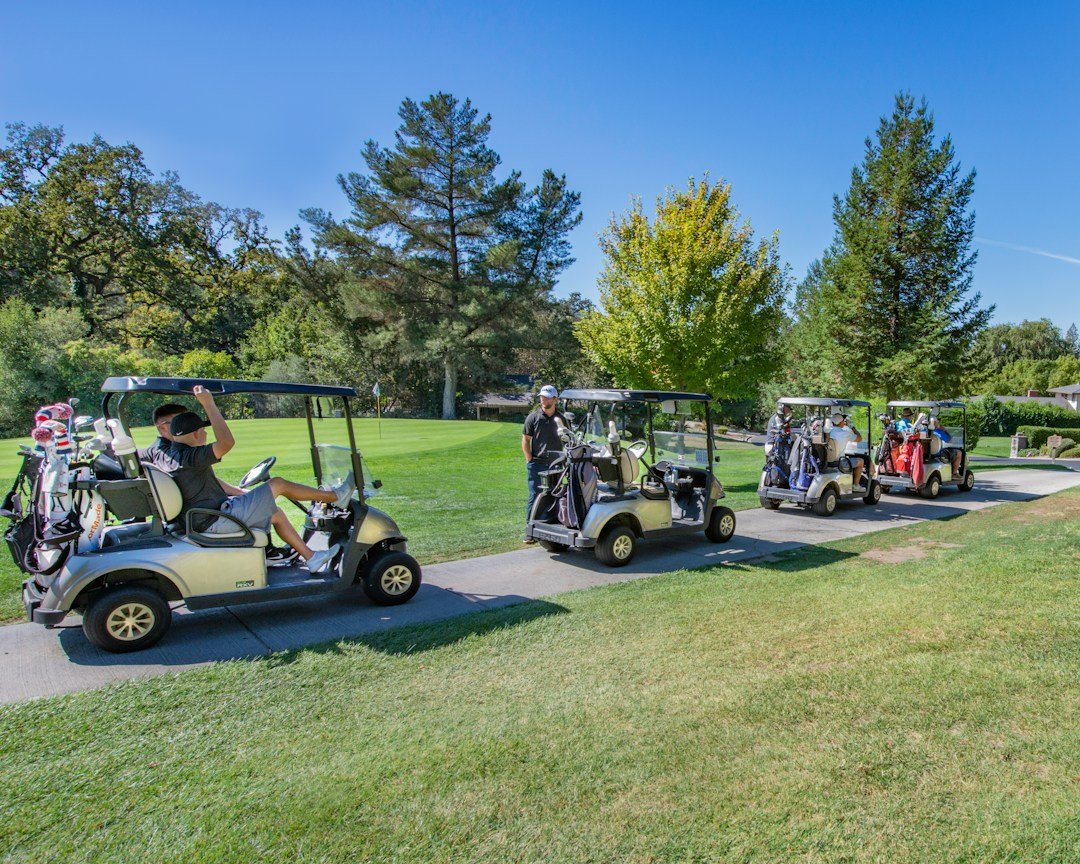
Think first about where the cart will operate. A cart used for golf may need golf-bag storage and easy access. A resort, campus or private property may prioritise passenger comfort, weather protection and storage. Work applications may require cargo capacity and compatible utility accessories.
Choosing a Yamaha Golf Cart for Your Needs
Seats, capacity and cargo
Confirm the manufacturer-rated passenger capacity and maximum payload. The total load includes occupants, bags, tools, accessories and cargo. More seats can increase vehicle length and weight, which can affect manoeuvrability and stopping distance. Do not exceed the rated capacity or install unapproved seating.
Electric or petrol power
Electric golf carts can offer quiet operation and convenient charging where a suitable electrical supply is available. Compare battery chemistry, usable capacity, charger compatibility, charging time, warranty and replacement cost. Petrol-powered models require fuel and engine servicing but may suit some work patterns where refuelling access is more practical. Consider noise, emissions, maintenance and total operating cost alongside the purchase price.
Range and daily usage
For an electric model, range depends on battery condition, terrain, passenger load, speed, temperature, tyre pressure and driving style. Map the normal route and estimate how many trips will be completed before charging. For petrol models, consider fuel capacity, consumption and access to safe refuelling. Allow for unusually busy days and changing conditions.
Ride quality and terrain
Check tyre type, ground clearance, suspension and turning radius against the surfaces the cart will use. Golf-course paths, paved lanes and uneven maintenance areas require different capabilities. Follow the manufacturer’s slope and surface guidance and avoid using a cart beyond its design limits.
Electric vs Petrol: Total Cost of Ownership
Purchase price is only one part of ownership. A useful comparison includes energy or fuel, scheduled servicing, tyres, brakes, battery replacement where applicable, accessories, storage and downtime. Electric vehicles may reduce routine engine-related service tasks, but batteries and charging systems still require correct care. Petrol vehicles need engine and fuel-system maintenance and produce exhaust emissions and engine noise.
For commercial fleets, track operating hours, distance, charging or fuel use, repair frequency and parts availability. These records help compare cost per operating hour and identify when preventative maintenance is due.
Yamaha Golf Cart Maintenance Basics
- Before use: Check tyres, brakes, steering, lights, mirrors and restraints where fitted.
- Battery system: Follow the instructions for the installed battery chemistry and use only the specified charger.
- Cleaning: Remove dirt and debris without directing high-pressure water at electrical components or sensitive parts.
- Scheduled service: Follow the manufacturer’s intervals for brakes, suspension, drivetrain and other model-specific systems.
- Records: Document inspections, repairs and replacement parts to support safer operation and future resale.
If you notice reduced braking, unusual noises, steering changes, damaged wiring or abnormal battery behaviour, stop using the cart until the issue has been assessed. Repairs to high-current electrical systems should be performed by appropriately qualified technicians.
Battery Charging and Storage
Charge the cart according to its owner’s manual in a suitable location, using the correct charger and observing the specified temperature and ventilation requirements. Keep cables and connectors protected from moisture and damage. Do not modify battery packs or combine incompatible components. If the battery is swollen, unusually hot, physically damaged or giving off an unusual smell, stop using it and seek professional advice.
For seasonal or long-term storage, use the battery state-of-charge and storage procedure recommended for the specific system. Do not assume that all battery types should be stored or maintained in the same way.
Safety and Legal Considerations
Operate at a safe speed, reduce speed before turns, keep all occupants seated in approved positions and never exceed the rated passenger or payload limit. Children should not operate a cart unless the law and model requirements permit it and they are properly qualified. Never drive while impaired.
A cart intended for a golf course is not automatically approved for public roads. Road use may require a particular vehicle classification, lights, mirrors, seat belts, registration, insurance and other equipment. Confirm local requirements for the exact model before planning public-road use.
Frequently Asked Questions About Yamaha Golf Carts
Are Yamaha golf carts electric or petrol powered?
Available powertrains vary by model, year and market. Check the specific listing and vehicle documentation to confirm the power system.
How often does a Yamaha golf cart need maintenance?
Maintenance intervals depend on the exact model, operating hours and conditions. Follow the manufacturer’s maintenance schedule and arrange additional checks when the cart is used heavily or in demanding environments.
What should I inspect before buying a used Yamaha cart?
Check the battery or engine, charging system, brakes, tyres, steering, frame, seats and accessories. Review maintenance records and verify ownership and legal status. A professional inspection is advisable if the vehicle’s condition is uncertain.
Can I use a Yamaha golf cart on public roads?
Only when the specific vehicle meets local legal requirements and is approved for that use. Confirm the rules with the relevant authority before operating it on a public road.
Find a Cart That Matches Your Requirements
The best choice depends on real operating needs, not just brand or appearance. Compare the exact model, powertrain, capacity, equipment, warranty and service support before ordering. Visit the Yamaha category at Prime Volt Vehicles to review available listings and confirm model-specific details.
Image credit: Cristina Anne Costello / Unsplash. Specifications and availability vary by model and market; refer to the manufacturer and individual product listing for definitive details.
