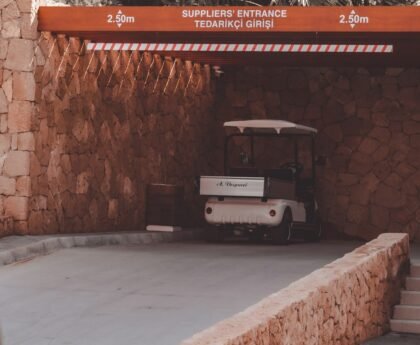
Axios golf carts are worth evaluating by their intended role, configuration and ownership requirements rather than by appearance alone. Whether a cart is being considered for golf, hospitality, private-property transport or light utility work, buyers should confirm the exact model specifications, rated capacity, power system, safety equipment and after-sales support. This guide provides a practical framework for comparing an Axios golf cart and planning responsible ownership.

Start With the Intended Use
Before comparing models, define where the vehicle will operate and what it must carry. Golf use may call for golf-bag storage, easy entry and a comfortable ride over maintained paths. A resort or private property may need multiple seats, weather accessories and convenient passenger access. Maintenance and service teams may need a cargo bed, storage compartments or other compatible work equipment.
Confirm the exact Axios model and configuration shown in the product listing. Seating, motor, battery, range, tyres and included accessories can differ between vehicles. Avoid relying on general descriptions when a model-specific specification sheet is available.
Important Specifications to Compare
Passenger capacity and payload
Check the approved seating capacity and the maximum payload rating. Payload includes passengers, cargo, tools and accessories. Overloading can reduce stability, affect braking and accelerate wear. Use only approved seats and mounting points, and keep all occupants seated in designated positions.
Battery, motor and practical range
For an electric Axios cart, review the battery chemistry, capacity, motor specification, charging requirements and warranty. Range is influenced by terrain, load, speed, tyre pressure, temperature, battery condition and accessories. Compare the expected daily route with the manufacturer’s guidance and leave a reserve for demanding conditions. Ask about replacement-battery availability and service costs before purchase.
Comfort, safety equipment and accessories
Inspect the seats, handholds, tyres, braking system, lights, mirrors, restraints where fitted, weather protection and storage. Verify whether the listed price includes each accessory. Only install components that are compatible with the exact vehicle and do not compromise its safety or rated capacity.
Ground clearance and terrain
Match the cart to the surfaces it is designed to handle. Paved routes, maintained grass, course paths and uneven service areas place different demands on tyres and suspension. Follow the manufacturer’s operating limits for gradients and terrain, and do not assume a standard cart is suitable for demanding off-road conditions.
Understanding Electric Golf Cart Ownership Costs
Electric carts can be convenient in environments with dependable charging access and where quiet operation is valued. Ownership costs may include electricity, battery care, eventual battery replacement, tyres, brakes, routine inspections and repairs. A petrol-powered alternative, if available in the relevant model range, has different cost factors such as fuel, engine servicing and exhaust emissions.
Compare costs over the expected ownership period. Consider purchase price, delivery, accessories, charging equipment, warranty, replacement parts and service access. For a business or fleet, estimate operating hours and daily distance to determine whether the vehicle can meet the workload without excessive downtime.
Charging and Battery Safety
Use the charger specified for the exact battery system and follow the manufacturer’s instructions for charging, storage and temperature. Keep the charging area appropriate for the battery type, dry and protected from damage. Inspect cables and connectors and do not use equipment that appears damaged. Do not mix incompatible batteries or chargers or attempt unauthorised battery modifications.
If a battery becomes swollen, unusually hot, damaged or emits an unusual smell, stop using it and seek qualified assistance. Battery maintenance requirements differ by chemistry, so follow the manual for the installed system instead of applying generic instructions.
Routine Inspection and Maintenance
A consistent maintenance routine supports safety and reliability. Before use, inspect tyres, steering, brakes, lights, mirrors and visible wiring. Keep the cart clean and remove debris from moving components. Follow the manufacturer’s service intervals for brakes, suspension, drivetrain and electrical systems. Keep records of inspections and repairs, especially for carts used by multiple operators.
Stop using the vehicle if you notice poor braking, unusual vibration or noise, steering changes, damaged wiring or abnormal battery behaviour. Have faults assessed by a qualified service provider before returning the cart to operation.
Safe Operation and Road-Legal Use
Golf carts have different handling and protection characteristics from passenger cars. Operate at a controlled speed, slow before turns, avoid sudden manoeuvres and stay within rated passenger and cargo limits. Keep hands and feet inside the vehicle, use restraints where provided, and never carry passengers on unapproved exterior areas. Operators should be familiar with the model’s controls before use.
Do not assume an Axios golf cart is street legal because it has lights or resembles a road vehicle. Public-road use depends on the exact model’s approval, vehicle classification, safety equipment, registration, insurance and local law. Confirm requirements with the relevant authority before using any cart on public roads.
Questions to Ask Before Buying an Axios Golf Cart
- What is the exact model, model year and configuration?
- What are the approved passenger capacity and payload?
- What battery, motor and charger are included?
- What range can reasonably be expected for the intended route and load?
- Which accessories are included, and which cost extra?
- What warranty applies to the vehicle, battery and charger?
- Are replacement parts and qualified service available?
- Is the vehicle approved for the location and type of use planned?
Frequently Asked Questions
How do I choose the right Axios golf cart?
Define the job, route, passenger or cargo needs and expected daily usage. Then verify the exact model’s specifications, battery or power system, warranty, accessories and service support.
What affects electric golf cart range?
Battery capacity and condition, terrain, load, speed, tyre pressure, temperature and accessories all influence range. Use model-specific information and allow a practical reserve.
How should I maintain an electric golf cart battery?
Follow the instructions for the installed battery chemistry and use the approved charger. Keep equipment in suitable condition and seek professional assistance for damage or abnormal heat, swelling or odour.
Can a golf cart be driven on public roads?
Only if the exact vehicle meets the applicable local requirements and is approved for that use. Confirm its legal classification before operating it on public roads.
Explore Axios Listings at Prime Volt Vehicles
A suitable golf cart combines the right capacity, practical range, safety equipment and access to maintenance support. Confirm every important specification with the individual listing and seller before ordering. Browse the Axios category at Prime Volt Vehicles to review available products.
Image credit: Reiley Costa / Unsplash. Brand references are for informational identification. Verify product details, warranty and local operating requirements before purchase.