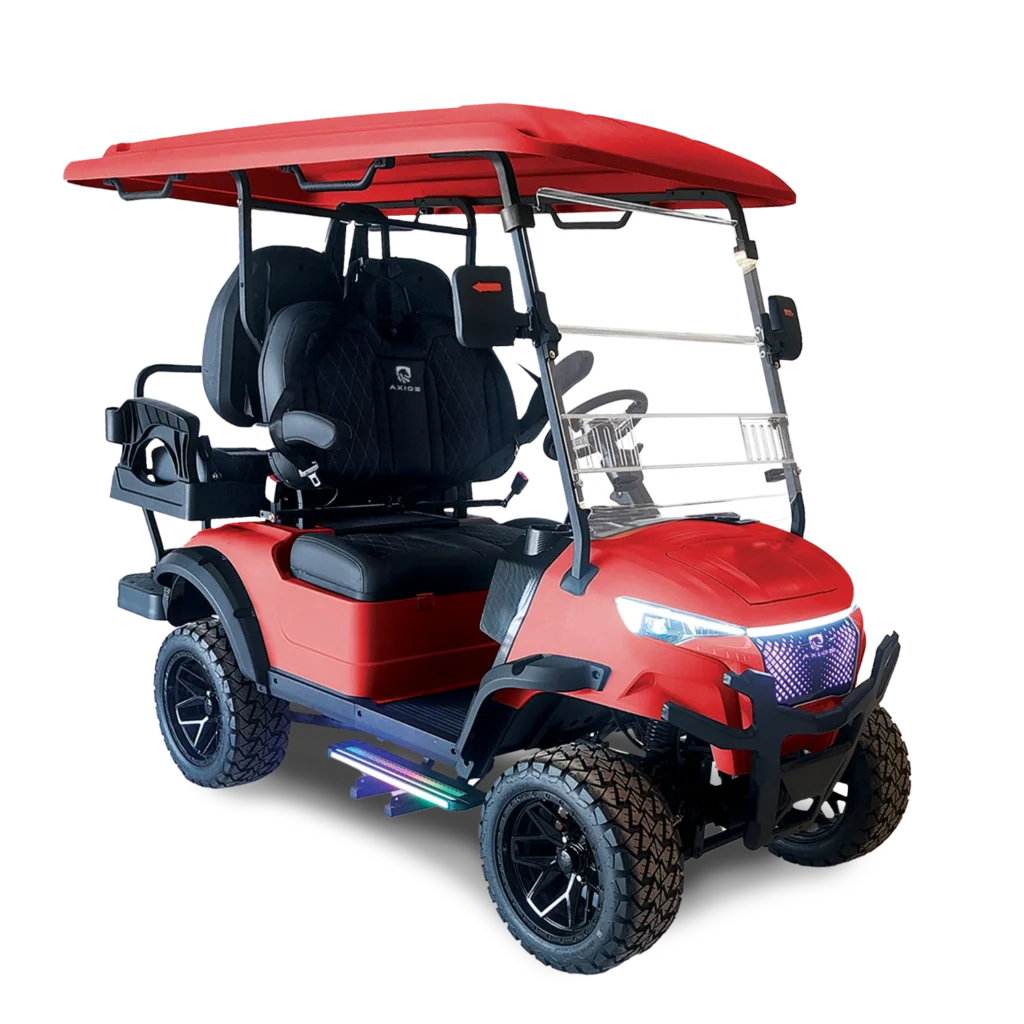
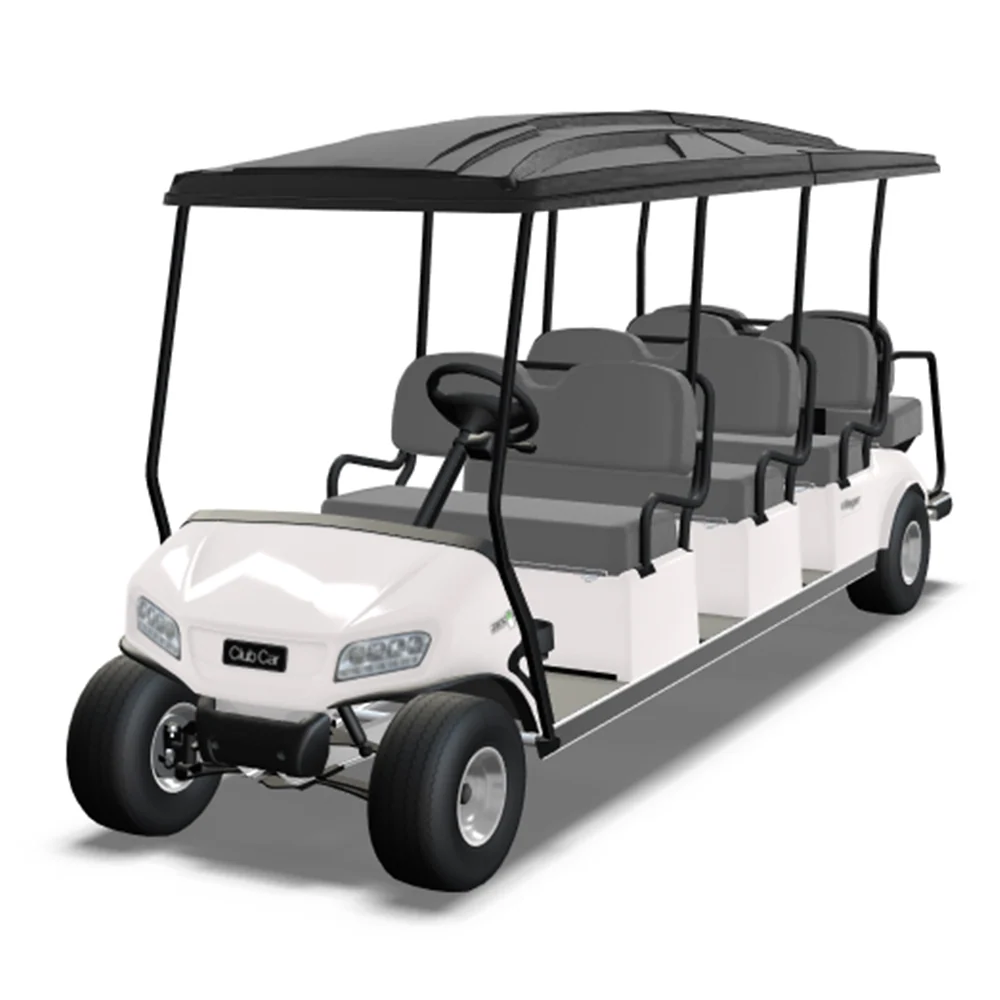
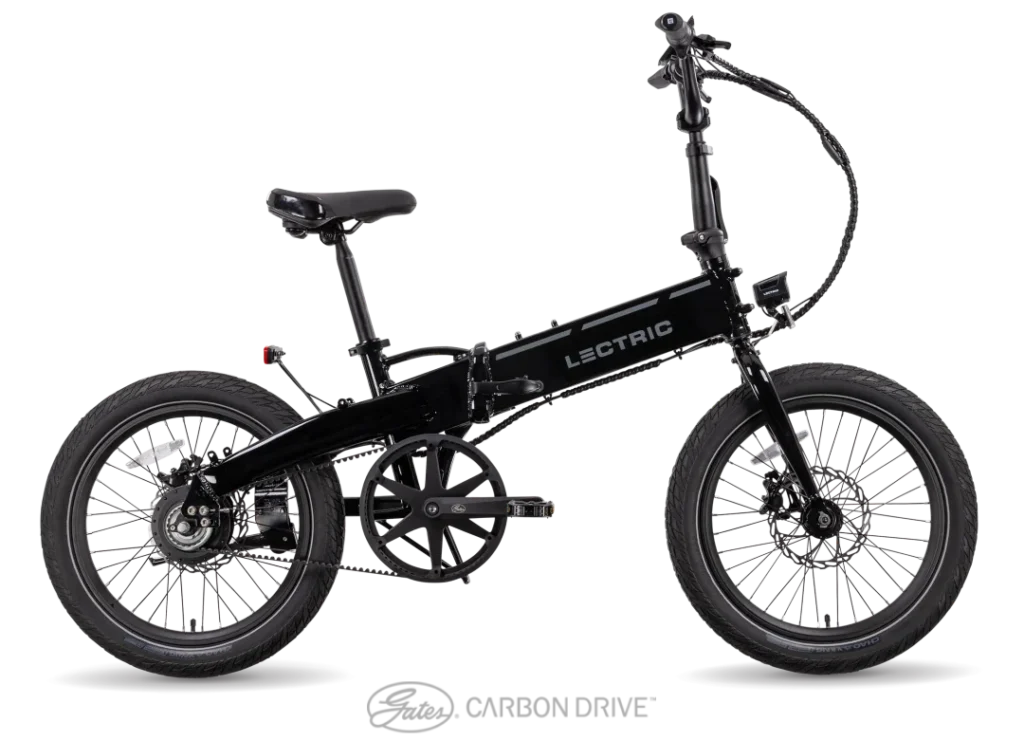
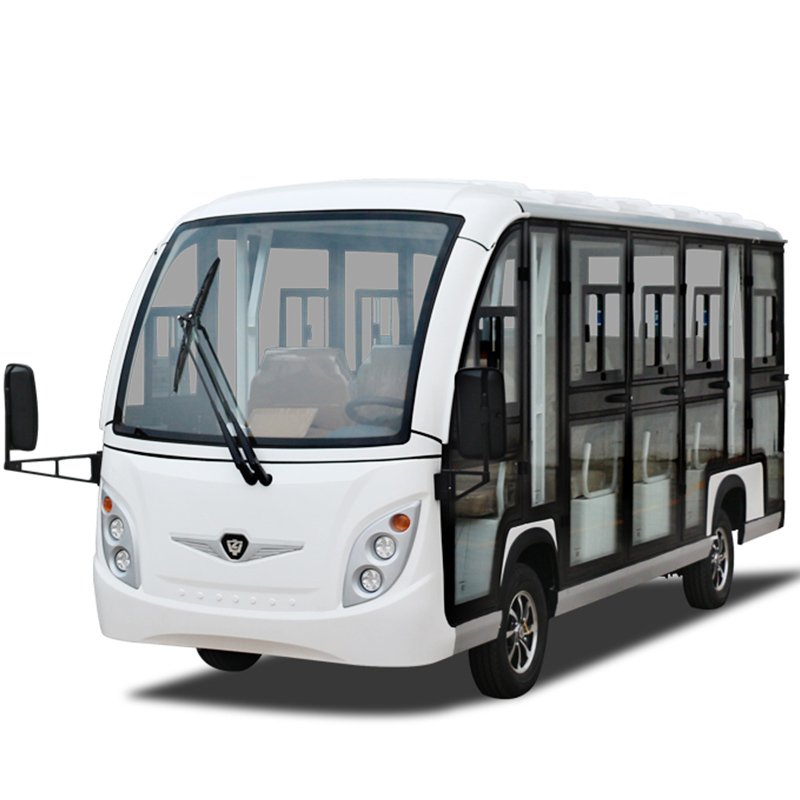
A clear enquiry begins with a use case. Describe the vehicle's intended route, the people or materials it will carry, how often it will be used and where it will be stored. If your interest began with a category tile, include the category name; if a particular product caught your attention, include its link and exact model title. That information gives the team a specific starting point and reduces the chance of discussing the wrong configuration.
Separate your questions into confirmed needs and open details. Confirmed needs might include the number of regular passengers, cargo type, route surface and parking dimensions. Open details may include charging requirements, accessory compatibility, current availability, pricing or support. Ask about the exact model rather than a broad family whenever a specification matters. For legal status or a site-specific assessment, identify the location and check with the appropriate authority or qualified professional.
For a business, venue or fleet, add context about daily operation. Explain whether the vehicle is for staff, visitors, guests or shared use, and describe busy periods, route access and charging arrangements. If you are considering rentals, include the date, venue, expected passenger flow and approximate schedule. If your question is about parts or service, provide the model and any identifier requested by the service team before ordering or arranging work.
Before submitting a message, check that your contact details are correct and that you have included the information needed for a useful response. Avoid sending sensitive details that are not necessary to the enquiry. The Shop, Service, Rentals and Parts pages provide additional paths through the site, and the contact form on the homepage provides a direct way to ask the team. A thoughtful question makes it easier to receive a relevant answer and compare the available options with confidence.

 42 / COLLECTION