
Electric bicycles combine pedal power with electric assistance to make everyday travel, recreation and longer rides more accessible. This guide explains how e-bikes work, what to compare before buying, how to estimate range, and how to maintain an electric bicycle for dependable performance.
What Is an Electric Bike?
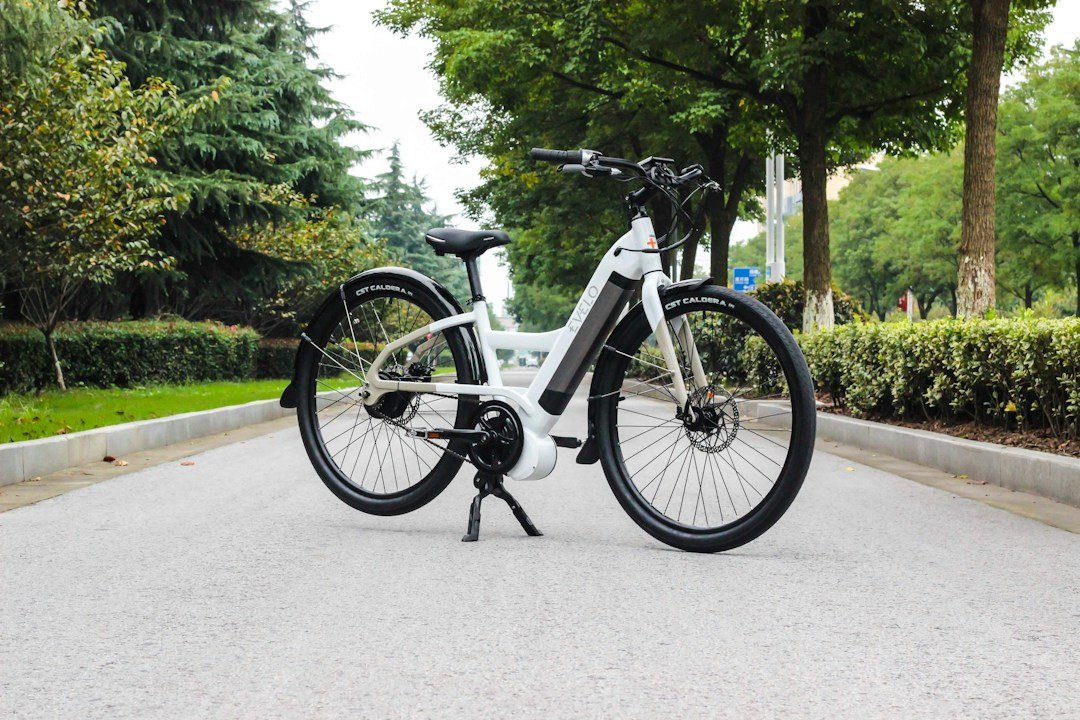
An electric bike, commonly called an e-bike or electric bicycle, is a bicycle equipped with an electric motor and rechargeable battery that assist the rider. Most models retain pedals and a conventional bicycle drivetrain. Depending on the system, assistance responds to pedalling, a throttle, or a combination permitted by the bike’s design and local regulations.
Electric assistance can make hills, headwinds and longer journeys easier to manage. It does not remove the need for balance, braking skills or responsible riding. Before purchasing, check the model’s motor output, assistance limits and classification against the rules that apply where you intend to ride.
Benefits of E-Bikes for Everyday Travel
- Practical commuting: Electric assistance can help riders arrive with less physical strain, particularly on hilly routes or longer commutes.
- Flexible exercise: Riders can choose how much effort to contribute by adjusting assistance and pedalling effort.
- Convenient local journeys: An e-bike can be useful for errands and short trips when the route, weather and secure parking are suitable.
- Outdoor recreation: Hybrid, trekking and mountain-oriented designs offer different ways to explore cycle paths and approved trails.
- Potential transport savings: For some journeys, an e-bike may reduce fuel, parking or public-transport costs. Actual savings depend on usage, electricity prices, maintenance and the alternative transport being replaced.
Understanding the Main E-Bike Components
Battery capacity and real-world range
The battery stores the energy used by the motor. Capacity is commonly stated in watt-hours (Wh); a larger figure can provide more stored energy, but it does not guarantee a particular distance. Rider weight, hills, wind, tyre pressure, temperature, assist level, cargo and battery age all influence real-world range. Ask for realistic range guidance for the specific model and route rather than relying only on the most optimistic advertised figure.
Motor type and assistance
E-bikes may use hub motors located in a wheel or mid-drive motors positioned near the pedals. Hub motors can be straightforward and effective for many everyday routes. Mid-drive systems use the bicycle’s gearing and can feel well suited to varied terrain. The best option depends on the bike design, terrain, maintenance access and the manufacturer’s specifications.
Brakes, tyres and frame fit
Because an electric bicycle can be heavier and may travel at a higher average speed than a conventional bicycle, dependable brakes and suitable tyres are important. Confirm that the frame size, handlebar position and saddle adjustment fit the rider. Test the bike at a controlled speed, practise stopping, and check that the controls can be reached comfortably.
How to Choose the Best E-Bike for Your Needs
Start with the journeys you expect to make most often. A commuter e-bike may prioritise mudguards, lights, a rack, puncture-resistant tyres and a comfortable upright position. A folding electric bike may suit people who combine cycling with public transport or have limited storage. A trekking model may offer a more versatile riding position and accessories for longer outings. A mountain e-bike is designed for suitable off-road routes and should be chosen according to terrain, suspension, tyres and component durability.
Before ordering, compare the following:
- Purpose and route: Identify the usual distance, surface, elevation and whether the bike will carry bags or other cargo.
- Range reserve: Choose a battery that comfortably covers your typical trip, including a margin for cold weather, hills and battery ageing.
- Charging: Confirm charging time, charger specifications, battery removability and whether you have a safe, dry charging location.
- Weight and storage: Check whether you can lift or manoeuvre the bike and store it securely.
- Service and parts: Ask about warranty coverage, replacement batteries, brake pads, tyres and access to qualified servicing.
- Total cost: Consider accessories, locks, maintenance, insurance where relevant and replacement-battery costs, not just the purchase price.
Battery Charging and Care
Use only the charger approved for the battery system and follow the manufacturer’s instructions. Inspect the battery and charger for damage, keep charging equipment away from moisture, and charge in a suitable ventilated location away from combustible materials. Do not use a battery that is swollen, unusually hot, leaking, damaged or giving off an unusual smell. Stop using it and seek qualified advice. Do not modify battery packs or use incompatible chargers.
For long-term storage, follow the maker’s guidance on charge level and temperature. Avoid leaving the battery exposed to extreme heat or freezing conditions. If the bicycle will not be used for an extended period, check its recommended storage procedure rather than leaving the battery fully depleted.
Routine E-Bike Maintenance
Check tyre pressure, brake operation, lights, chain condition and fasteners regularly. Keep the drivetrain clean and lubricated according to the component instructions. After riding in rain or dusty conditions, clean and dry the bicycle appropriately without directing high-pressure water at electrical components. Arrange professional inspection if you notice unusual motor noises, intermittent power, damaged wiring, reduced braking performance or a battery that no longer behaves normally.
Safe and Responsible Riding
Wear a properly fitted helmet where recommended or required, use lights in low visibility, signal turns, and leave extra stopping distance when conditions are wet. Practise using the assistance settings in a quiet area before riding in traffic. Secure the bicycle with a quality lock through the frame and a fixed object, and store the battery according to the manufacturer’s guidance. Check local rules for age limits, helmet requirements, permitted paths, motor assistance and registration or equipment obligations.
Frequently Asked Questions About E-Bikes
How far can an electric bike travel on one charge?
Range varies by battery capacity, assistance setting, terrain, rider and cargo weight, weather, tyre pressure and battery condition. Use the manufacturer’s range information as a starting point and allow a practical reserve for your route.
Can an e-bike be ridden without motor assistance?
Many pedal-assist models can be ridden with assistance switched off, although their weight and gearing may feel different from those of a conventional bicycle. Check the specific model’s operating guidance.
How long does an e-bike battery last?
Battery life depends on cell quality, usage, charging habits, temperature and storage. Follow the manufacturer’s care instructions and ask about battery warranty terms and replacement availability before purchasing.
Are electric bikes suitable for beginners?
Many are suitable, provided the rider chooses a correctly sized model, starts with a low assistance setting, practises braking and turning, and understands local riding rules.
Find an E-Bike That Fits Your Routine
The best electric bicycle is one that fits your body, route, storage options and service expectations. Compare specifications carefully and prioritise reliable brakes, a suitable battery, comfortable fit and accessible support over headline figures alone. Explore the Prime Volt Vehicles eBikes category to review available options, then confirm model-specific specifications before making a decision.
Image credit: Team Evelo / Unsplash. Product availability and specifications may change; always refer to the individual product listing and manufacturer’s instructions.
